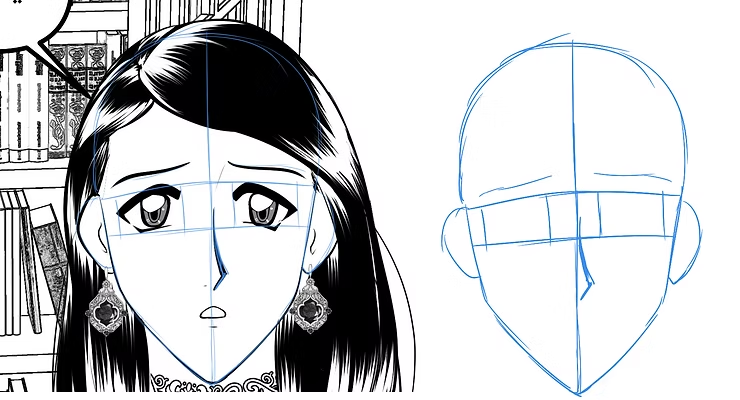
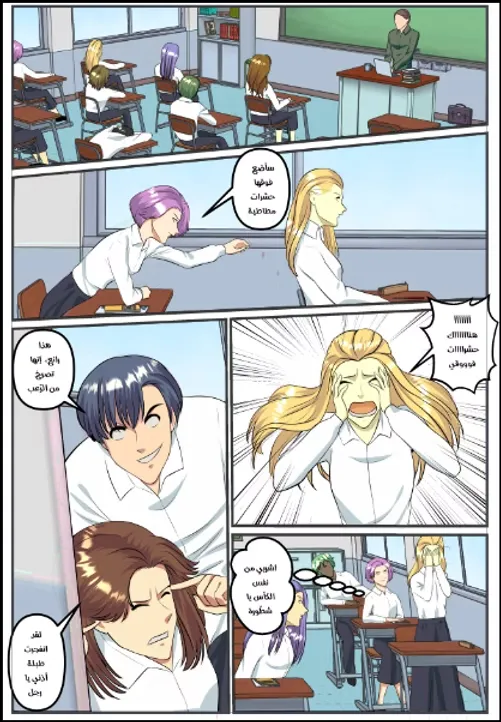
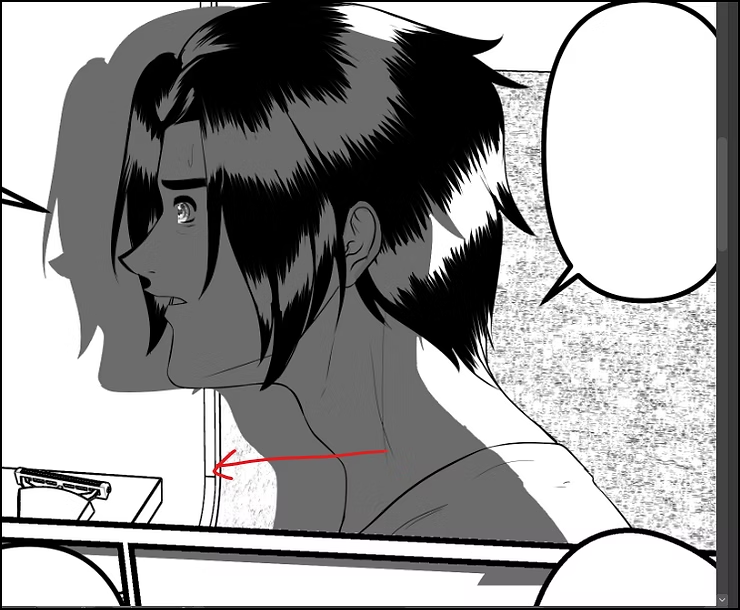
We all love to start making manga and writing our stories and turning them into manga so that many people can read them, but there are some simple standards that we can follow in order to make the process of making manga easier for us. Sometimes when we start directly without prior planning, we may face difficulty later, especially with regard to the upcoming chapters, or we forget to add certain details. Therefore, I have brought you some tricks that will help you in preparing, formatting and drawing the story.
Prepare and organize your thoughts
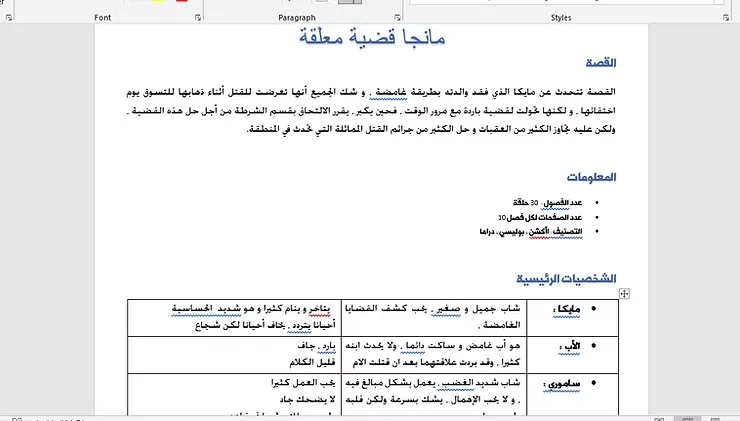
We can call this the pre-production stage, so to speak, in the world of manga creation! What we will do here is prepare the idea we will work on, which is the story. You should write your story in Word or any word processing program, or in your notebook, and try to take your freedom here, as in this stage you are in control of the events of your story, and you can add whatever you want and write all the details while specifying all the manga arcs. .
It is important to write a summary of the ideas that are going through your mind, and the stories that you are thinking about, and then read them and compare them to choose the story that will turn into a manga, and then turn your idea into a short story.
Prepare the chapters of your story
After finishing the manga story, you need to decide on the number of chapters and the number of pages per chapter. Never copy another mangaka's style, as this will be incredibly tiring, push you out of your comfort zone, and result in a poorly written, copied manga that will only cause you stress and confusion. Instead, you should determine what feels comfortable for you and suits your lifestyle and work. You probably won't be able to dedicate time to drawing 20 pages per chapter every so often. So, establish your own unique style.
Write the chapter titles and quickly distribute the story events into them in sequence, for example:
- Chapter One: The hero finds the jewel and there discovers its secret
- Chapter Two: A continuation of Chapter One, but with details about the gem and its power.
- Chapter Three: Here the villain will appear and an encounter will take place, and so on…
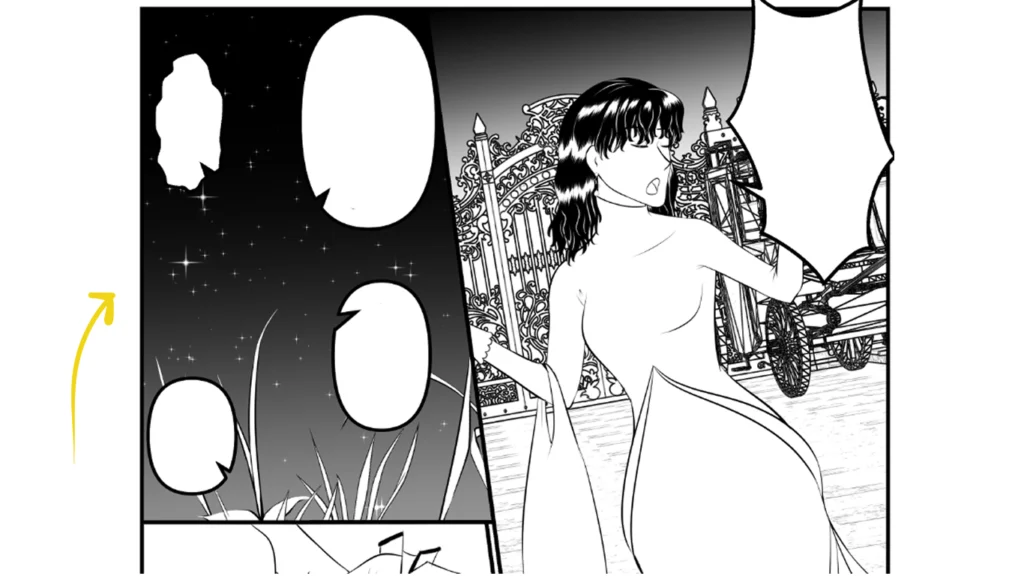
Pages
Personally, I prefer a small number of pages, for example 4 to 10 pages per chapter. This is what I found most suitable for my life and work circumstances.
After the previous stage of creating the manga, write the script, but not all at once. That is, it is not necessary to write the story script from the first chapter to the last. Rather, you can write the script for the second chapter after you finish the first chapter. But if you feel that you can do that, then do not hesitate!.
You will proceed to prepare the expected scenes of the events, with the dialogue for each scene, and the time in which the events take place, whether it is evening or morning.”.
Start drawing
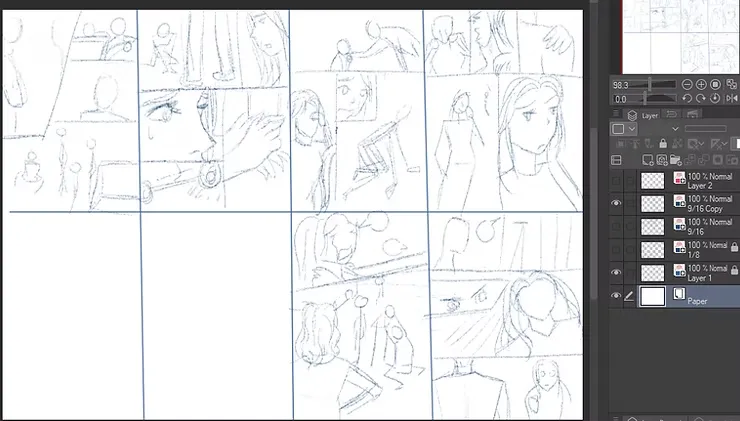
Here comes what I particularly love about manga making – namely, drawing. Before we draw sketches of the scenes directly, we can draw the cover, especially since it will contain the main characters of the manga, which will increase your excitement for the chapter. However, it is not necessary to finish the manga cover before the manga itself; it is up to the artist.
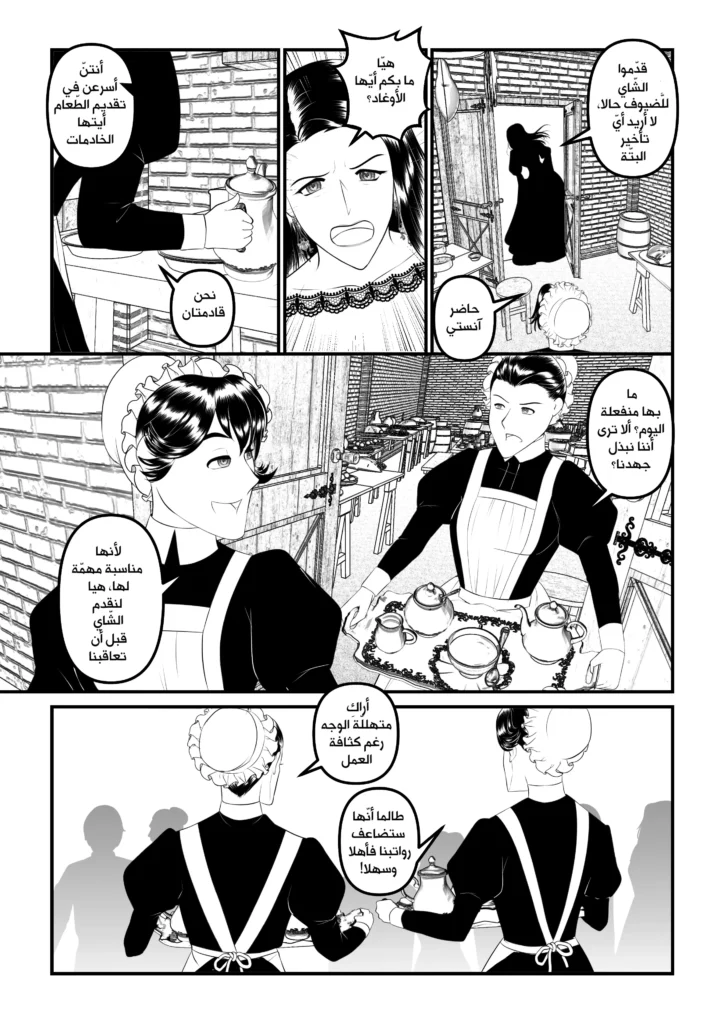
After that, we will prepare a sheet of paper or one page and divide it into smaller pages, and draw the scenes on it according to the same scenario. It is important to consider the number of drawings per page, and I advise you not to exceed 6, as the reader will not read a page full of crowded scenes.
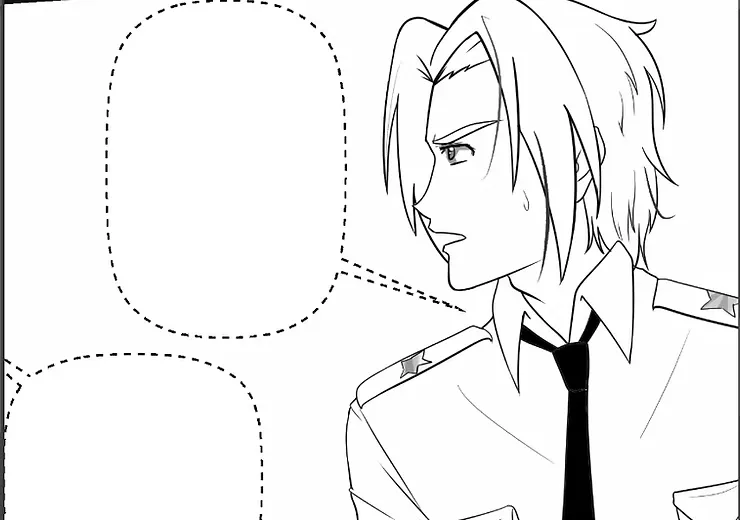
Don't forget to consider the placement of the balloon (the "dialogue bubble"); it's important that its position is prominent within the painting or the "”panel ”And if you find that the dialogue is too long on the balloon, you should divide it into two or three balloons, dividing the scene into two or three balloons, presenting the same scene from another angle, along with the same dialogue.”.
Inking and materials “Tunis”
Once you finish the sketch, it's time for the detailed drawing, with line art. line art “Inking”: In the inking stage, we are supposed to pay a little attention to the lines and make them consistent with the manga’s classification. For example, shonen manga might be suited to bold lines.
Learn how to shade manga characters in three ways
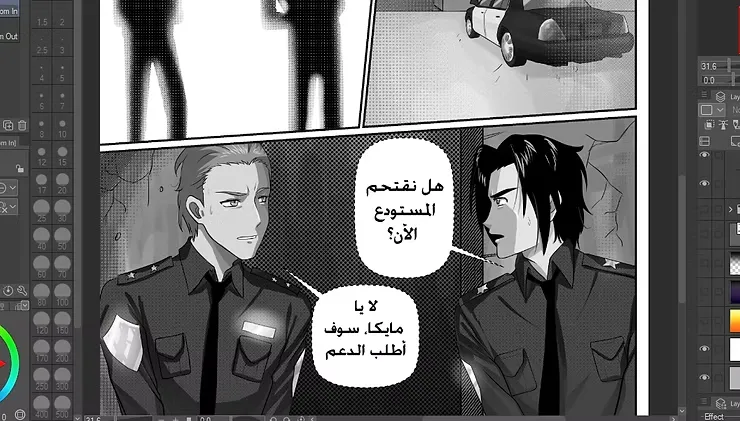
Next comes the tones stage when you are creating manga, which is adding shading to hair, clothes and backgrounds, especially since manga is in black and white, so we will not have to tire ourselves out in choosing colors, we will only use monochromatic colors to add shading.
We continue like this, page by page, until we finish.
Share with your audience
When you finish the first chapter, someone needs to read it, right? So now you'll be playing the role of publisher, and there are many ways to promote your manga. For example, if you have a Facebook, Twitter, or Instagram page, it won't be difficult. You can use popular manga hashtags or tags, and here are some examples: ## Manga, # Arabic Manga, # My Own Manga, # Arab Manga And much more. The same applies to your YouTube channel; you can create a short video about your manga and publish it without spoilers, to encourage subscribers to read it.
Send the manga link to your friends and family in both WhatsApp and Messenger groups. There are also Arabic websites dedicated to publishing manga created by Arabs, including Manga Tales.
I really hope you liked the manga-making lesson, and that it gave you an idea of how to make your own manga from scratch. I will bring more explanations related to chapters, drawing and formatting them, so I hope you will stay close to the site.